
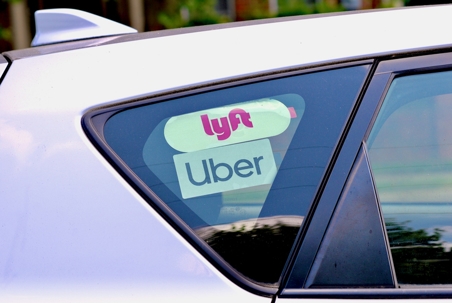
Rideshare services like Uber and Lyft have transformed the way we travel in Maryland. But when an accident involves one of these vehicles, the process of filing a claim becomes much more complicated than a typical car crash. Whether you were a passenger, pedestrian, or another driver, it’s important to understand how Maryland law treats Uber and Lyft accidents — and what makes these claims unique.
Understanding Who’s Responsible in a Rideshare Accident
In a regular car accident, the process is straightforward: you file a claim against the at-fault driver’s insurance policy. However, when the driver works for a rideshare company, the question becomes more complex. Uber and Lyft classify their drivers as independent contractors, not employees, which means the company is not automatically liable for every accident.
That said, both companies are required by law to provide supplemental insurance coverage that applies under certain conditions. The key is determining what the driver was doing at the time of the crash:
- Driver not logged into the app:
- If the rideshare driver was not logged into the app, their personal auto insurance policy applies — just like in any other car crash.
- Driver logged in, waiting for a ride request:
- When a driver is online but hasn’t accepted a ride, Uber and Lyft provide limited liability coverage — typically up to $50,000 per person and $100,000 per accident for bodily injury, and $25,000 for property damage.
- Driver en route to pick up a passenger or during a ride:
- Once a driver accepts a ride or has a passenger in the car, the rideshare company’s $1 million liability policy applies. This coverage can also include uninsured/underinsured motorist protection.
Determining which policy applies is one of the most critical — and confusing — aspects of a rideshare accident claim.
Insurance Companies Often Dispute Liability
Because multiple insurance policies may come into play, determining who pays for your damages can quickly turn into a battle between insurers. Each company may attempt to shift responsibility to the other, thereby delaying your claim and making it more difficult to recover compensation.
Additionally, rideshare companies and their insurers have legal teams experienced in minimizing payouts. Without proper representation, you may end up accepting less than what your injuries and losses are truly worth.
Gathering Evidence Is Crucial
Proving fault in a rideshare accident often requires more detailed evidence than in a typical crash. In addition to police reports, witness statements, and medical records, it is also important to obtain digital evidence, such as app data, GPS logs, and driver trip information. This data can show whether the driver was active on the platform at the time of the crash and determine which insurance coverage applies.
An experienced attorney can take steps to preserve this data before it is lost or deleted, which can make or break your case.
Maryland’s Contributory Negligence Law
Another important factor is Maryland’s contributory negligence rule. This law states that if you are found even 1% at fault for the accident, you may be barred from recovering any compensation. Insurance companies are well aware of this and often use it to their advantage. Having a skilled attorney on your side is essential to counter these tactics and protect your right to recovery.
Why You Need Legal Help
Filing a claim after a rideshare accident in Maryland is not like handling an ordinary car crash. You may be dealing with multiple insurance companies, complex corporate policies, and strict state laws. A knowledgeable personal injury attorney can help identify the correct insurer, handle communications, and ensure you receive full and fair compensation for your injuries.
Serving Baltimore And Beyond
If you’ve been injured by an Uber or Lyft driver in Maryland, don’t navigate this process alone. Contact United Attorney Group today for a free, no-obligation consultation at (844) 960-9800. Our team will evaluate your case, negotiate with insurance companies, and fight to protect your rights — so you can focus on your recovery.
